


ai-engineer-notebooks
Hands-on, framework-free Colab notebooks for the AI Engineer / Forward Deployed Engineer (FDE) skill set — model APIs, structured output, tool calling, RAG, eva
Sign in to rate this tool.
Overview
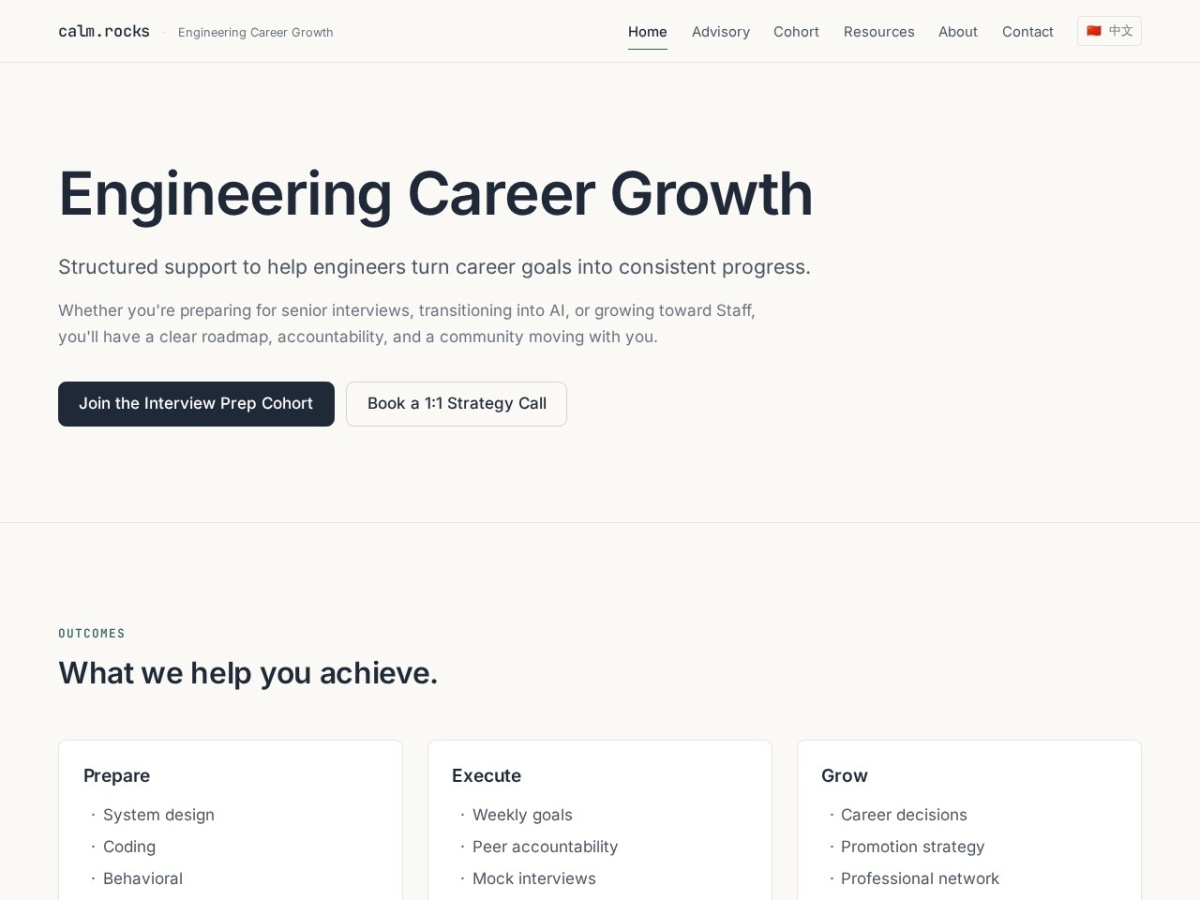
Ai-engineer-notebooks provides a set of Google Colab notebooks that let you work with core AI‑engineer building blocks without committing to a particular deep‑learning framework. The notebooks are grouped around model API interaction, structured JSON output, tool calling, retrieval‑augmented generation (RAG), evaluation loops, and agent‑style looping. Each notebook opens in Colab, so you can start executing cells immediately after granting any required permissions.
The collection is intended for forward‑deployed engineers, AI engineers, and developers who are preparing for senior‑level technical interviews or transitioning into machine‑learning roles. If you already understand the theory behind prompts and want concrete, runnable examples that illustrate how to call an LLM endpoint, parse its structured response, and feed that result into a downstream tool, these notebooks match that need. Engineers who prefer a full‑stack framework such as LangChain may find the framework‑free approach less convenient, and beginners without any familiarity with API keys or JSON handling might need additional guidance before the notebooks become productive.
Using a notebook begins with a brief setup cell where you paste an API key for the chosen model provider (the notebooks do not lock you to a single vendor). Subsequent cells walk you through constructing a prompt, sending it to the model via a REST call, and receiving a JSON payload that follows a predefined schema. The output cell then demonstrates how to extract fields from that JSON and pass them to a simulated tool, such as a search function or a calculator, using a simple function call. For RAG scenarios, you supply a small text corpus or a URL, and the notebook shows how to embed the documents, retrieve the most relevant passages, and include them in the prompt. Evaluation cells compare the model's answer against a reference output, reporting basic metrics like exact match or token‑level similarity. The agent loop notebooks extend this pattern by repeating the call‑extract‑tool cycle until a termination condition is met, illustrating how an autonomous agent can iteratively refine its answer.
All notebooks are hosted on calm.rocks, a site that also offers career‑development programs such as interview‑prep cohorts and 1:1 advisory. The notebooks serve as a technical complement to those programs, giving you hands‑on practice that aligns with the structured, habit‑focused learning approach described on the site.
Details
- Pricing
- Free
Suggest an edit
Sign in to suggest an edit.
Pros and cons
Pros
- Immediate, cloud‑based execution removes installation friction
- Focus on low‑level API interaction helps you understand underlying mechanics
- Covers a breadth of engineer‑relevant patterns from RAG to autonomous agents
- Aligns with calm.rocks' broader career‑growth resources, offering practical reinforcement
Cons
- No pricing or licensing details are provided on the site
- The exact number of notebooks and the range of supported model providers are unspecified
- Limited information on usage limits such as token quotas or request rates
- May be challenging for users without prior experience handling API keys or JSON schemas
Alternatives
 Maxim AIBifrost is an AI gateway made by Maxim AI.
 Hugging FaceHugging Face hosts 2M+ open models plus datasets and Spaces demos, with PRO, Team and Enterprise plans and pay-as-you-go GPUs.
 Golinks Search Powered By ChatgptIf ai recruiting tasks are part of your routine, Golinks Search Powered By Chatgpt is worth testing against your own use cases. Their website, golinks.io, has the full details. The...
 AdminforthAdminForth is an open-source, self-hosted framework for building back-office and admin panels, released under the MIT license.
 Credo AICredo AI is an AI governance platform for enterprises.
 LitellmLiteLLM is an open-source AI gateway and LLM proxy for platform teams.
 Api Governance TestingAPI Governance is an AI tool that reviews APIs for design and implementation problems.
 Mple AImple AI is an enterprise platform that aims to guide sales teams in what to do, what to say and how to win each day.
 Empathy CoEnterprise AI Search for Commerce with privacy and ethical values.
 LakesailLakeSail is a data and AI platform built around Sail, an open-source compute engine written in Rust that is compatible with Apache Spark.
 FeloFelo is a multilingual AI search engine that turns results into slides, documents and pages, with a free tier and a Pro plan.
 RoketfyRoketfy is an AI customer review analytics and ecommerce data platform.